
Budget Risk Management Certificate
Financial stability isn't about following formulas. It's about understanding how economic pressures shift, recognising vulnerabilities before they escalate, and making decisions that protect what matters most to your organisation.
What you'll actually learn
We built this program around real scenarios we've encountered in Australian organisations over the past decade. You won't spend time on textbook theory that doesn't translate to practice.
Phase 1: Risk Assessment Fundamentals
Map financial exposures across departments. Learn to identify warning signs in budget data that most teams miss until it's too late.
Phase 2: Scenario Planning
Build contingency models that account for market volatility, regulatory changes, and operational disruptions specific to the Australian context.
Phase 3: Stakeholder Communication
Present financial risks to executives and boards who need clarity without jargon. Practice delivering difficult budget news with confidence.
Phase 4: Implementation Strategy
Apply everything to your organisation's actual budget challenges. Walk away with a risk management framework you can use immediately.

Who teaches this program
Our instructors have managed financial crises, navigated regulatory audits, and rebuilt budget systems that others thought were beyond repair. They've been in the situations you're preparing for.

Callum Strandberg
Risk architecture & crisis response
14 years in treasury management

Elspeth Viklund
Regulatory compliance & forecasting
Former auditor at Big Four firm
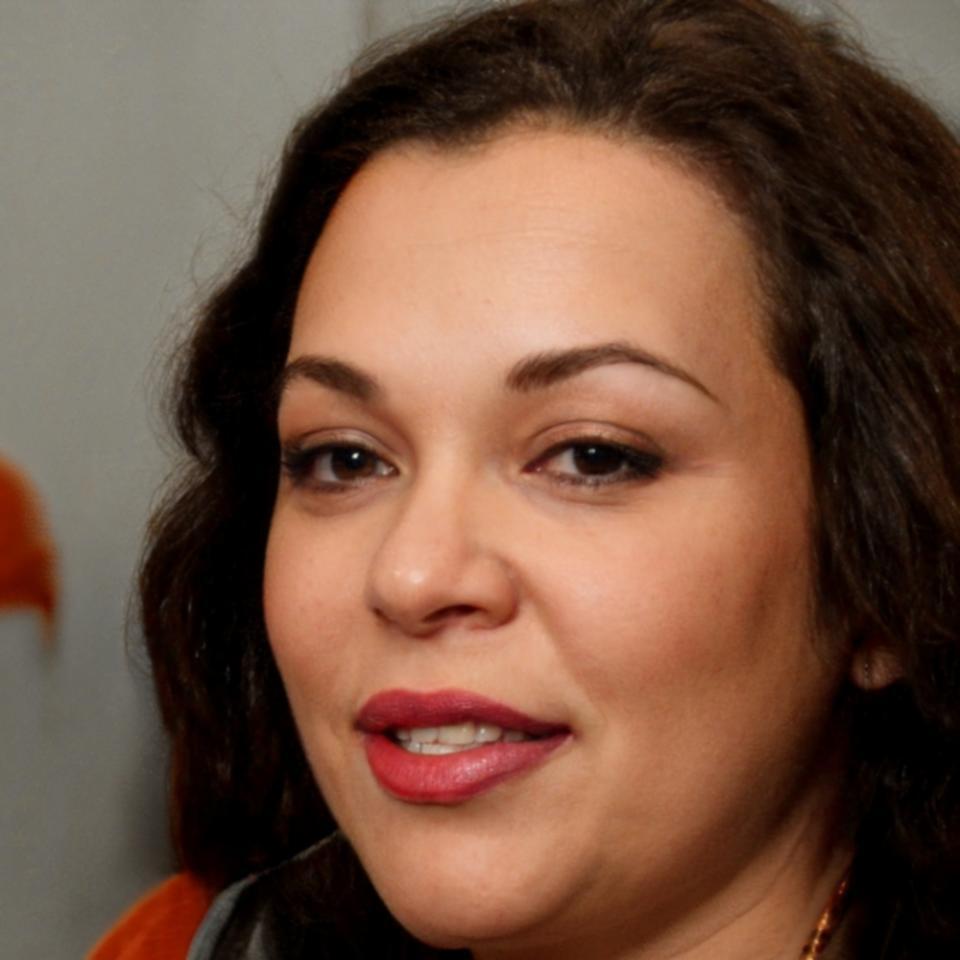
Dagmar Fjellström
Scenario modelling & impact analysis
Specialises in public sector finance

Sienna Lindqvist
Operational budgeting & cost control
20+ years CFO experience
Module breakdown
Each module builds on practical work you'll complete between sessions. Expect to spend 6-7 hours per week on coursework, case studies, and applying concepts to your organisation's budget systems.
Financial Exposure Mapping
Identify where budget vulnerabilities exist across operations, projects, and departments. Learn to quantify risk levels and prioritise areas that need immediate attention versus long-term monitoring.
Volatility Modelling
Build scenarios that account for economic downturns, regulatory shifts, and unexpected operational costs. Create models that help decision-makers understand potential impacts before they commit resources.
Control Implementation
Design budget controls that prevent overspending without creating bureaucratic bottlenecks. Balance financial discipline with operational flexibility that teams actually need to function.
Reporting for Decision-Makers
Present budget risk data in formats that executives can act on quickly. Learn what information matters most during crisis situations and how to deliver it without causing unnecessary alarm.

How to apply for October 2025
We're accepting applications now for our October intake. The program runs Tuesday and Thursday evenings, with one Saturday workshop per month. Limited to 24 participants to maintain quality discussion and instructor access.
Submit application
Tell us about your current role and what you're hoping to achieve through this program.
Phone conversation
Brief discussion to confirm the program aligns with your professional development goals.
Confirmation
Receive program materials and access to pre-course resources two weeks before start date.